

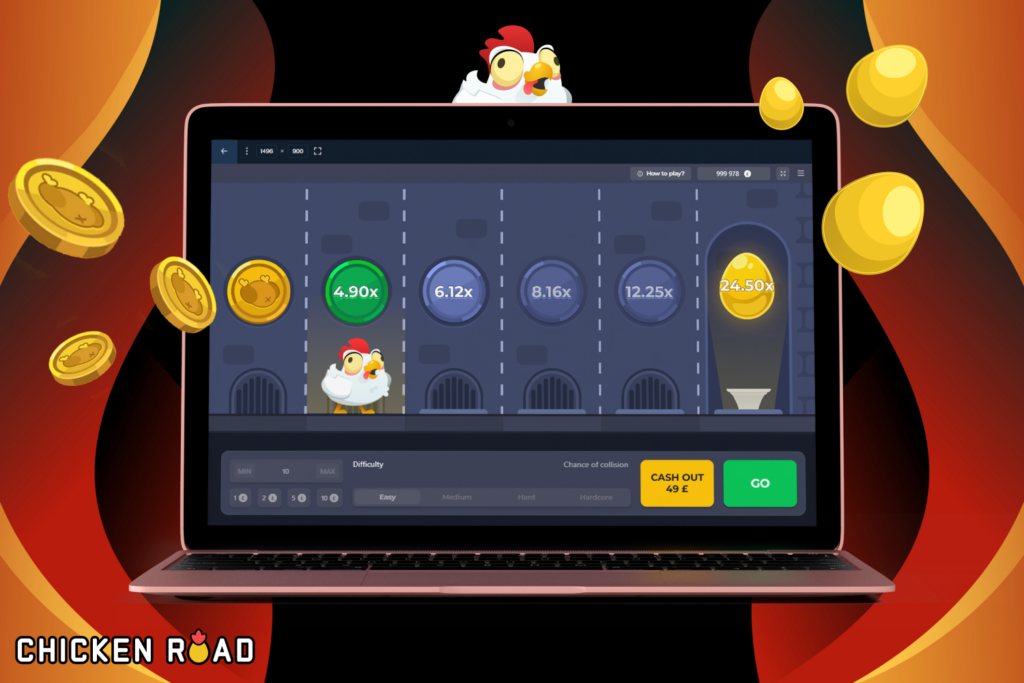
Equitable gaming criteria and RNG validation serve an crucial function in the chicken road game Road title for UK gamers. Making sure titles operate on a even playing field is critical for maintaining player interest and satisfaction. The mechanics behind RNG are complex and require meticulous examination. By implementing rigorous inspections and quantitative reviews, creators strive to maintain transparency. Nonetheless, the difficulties of sustaining honesty in online gaming continue to emerge, raising inquiries about the robustness of these mechanisms.
Comprehending RNG and Its Role in Games
In many titles, such as Chicken Road, random number generators serve a fundamental function in ensuring equity and unpredictability. RNG algorithms produce outcomes that are mathematically unpredictable, which prevents manipulation and guarantees each player’s experience stays distinct and unbiased. These formulas use intricate mathematical equations, often depending on initial values that change randomly. This ensures that the order of generated numbers can’t be predicted. Effective RNG execution is vital; otherwise, gamer confidence diminishes, potentially harming the game’s integrity. Creators must employ RNG systems that have been thoroughly examined for unpredictability and robustness. By carefully analyzing these mechanisms, stakeholders can understand how RNG not only improves gameplay but also maintains fairness, making it a cornerstone of contemporary gaming design in titles like Chicken Road.
Executing RNG Verification in Chicken Road
While ensuring fairness in Chicken Road, creators must execute strong RNG validation processes that protect the algorithm’s honesty. The execution of these processes includes multiple essential components to ensure reliability and clarity in randomness generation:
- Independent Audits
- Statistical Testing
- Real-Time Monitoring
Through these steps, developers can guarantee players that outcomes remain unforeseeable and fair, reinforcing the game’s dedication to integrity and player satisfaction.
Enhancing Player Trust Through Transparency
Enhancing player trust in the Chicken Road Game relies on the implementation of transparency across various processes. The RNG verification process should be explicitly communicated to players, ensuring they grasp how outcomes are decided. Additionally, player education programs can further strengthen trust by enabling users with information about game mechanics and fairness standards.
Importance of Transparency
Transparency serves as a foundation for establishing trust among players in the Chicken Road Game, as it straightforwardly influences perceptions of fairness and accountability. By implementing transparent approaches, game developers foster an environment where players feel knowledgeable and valued. This pledge to openness appears in several key areas:
- Game Rules
- Outcome Disclosure
Such efforts not only boost player loyalty but also lead to a feasible gaming ecosystem where participants feel secure in their dedication of time and resources.
RNG Verification Process
A strong RNG (Random Number Generation) verification process is vital for guaranteeing fairness in the Chicken Road Game, as it directly affects players’ trust in game outcomes. This verification includes thorough statistical analyses and algorithm audits to confirm that the RNG creates outcomes that are genuinely random and unbiased. Third-party testing agencies often perform these evaluations, employing established methodologies to evaluate randomness and distribution patterns. Additionally, detailed documentation of the RNG algorithms and testing procedures bolsters transparency, allowing players to confirm that results aren’t manipulated. Continuous monitoring following certification secures ongoing integrity, as any deviations can be promptly identified and rectified. Consequently, an effective RNG verification process builds player confidence, a cornerstone for long-term participation and success within the gaming ecosystem.
Player Education Initiatives
While the RNG verification process establishes a strong foundation for fairness, educating players about these standards greatly enhances their trust in the Chicken Road Game. Comprehensive player education initiatives clarify the intricacies of RNG mechanics, ultimately promoting a transparent gaming environment. These initiatives can cover:
- Detailed Tutorials
The Impact of Fair Play on Player Engagement
Fair play standards greatly boost trust among players, encouraging a more collaborative environment. This improved trust contributes to a more competitive experience, as players feel confident in the game’s integrity. Ultimately, these factors lead to long-term player retention, as engaged participants are more likely to remain committed to a game that prioritizes fairness.
Increased Trust Among Players
Trust among players significantly improves involvement in the Chicken Road Game, as positive experiences promote a sense of community and cooperation. When players believe in the fairness of the game, they’re more likely to invest their time and resources. The measurable impacts of fair play include:
- Increased Retention Rates
- Enhanced Communication
- Higher Game Participation
Ultimately, a foundation of trust amplifies player involvement, leading to a more energetic and enjoyable gaming experience that benefits all parties involved.
Enhanced Competitive Experience
When players perceive a fair playing field in the Chicken Road Game, their engagement heightens, nurturing a more dynamic competitive terrain. The application of Fair Play Standards secures that strategies are judged solely on skill and decision-making, eradicating external biases. This openness contributes greatly to players’ emotional investment, encouraging a sense of accomplishment. Additionally, steady and confirmed Random Number Generator (RNG) parameters let players focus on improving their tactical approaches, rather than questioning the integrity of game outcomes. The subsequent competitive experience evolves into a refined ecosystem where players test each other’s limits, persistently seeking innovation in gameplay. Consequently, this fluid interaction enhances player satisfaction and motivation, strengthening the essence of fair competition within the game’s structure.
Long-term Player Retention
A notable number of players demonstrate heightened loyalty in environments that guarantee equitable gameplay, as Fair Play Standards explicitly influence player engagement and retention. By fostering transparency and trust, developers can enhance player satisfaction and long-term commitment. Key factors include:
- Equitable Mechanics
- Predictable Outcomes
- Community Trust
When players are secure in their gaming experience, they’re more likely to stay, boosting both game longevity and profitability for developers in the competitive environment of mobile gaming.
Challenges in Maintaining Fairness in Online Gaming
Maintaining equity in online gaming, particularly in challenging environments like the Chicken Road Game, presents significant challenges. The unpredictability embedded in online games must be demonstrably random to guarantee an level playing field. Game developers face the complexities of executing trustworthy Random Number Generators (RNGs) that prevent manipulation and cheating. Furthermore, ensuring transparency in RNG processes remains critical; players need assurance that algorithms operate fairly. Additionally, external factors such as bots can undermine competitive integrity, necessitating frequent monitoring and rapid response mechanisms. Regulatory compliance further challenges matters, as developers must comply with evolving legal standards across jurisdictions. Consequently, harmonizing fairness with technical integrity in online gaming requires ongoing improvements and flexible governance to lessen inherent risks and cultivate trust among players.
The Future of RNG Practices in the Gaming Industry
The progress of Random Number Generator (RNG) practices in the gaming industry signals a vital shift towards improving fairness and transparency in player experiences. As the industry develops, several key trends are emerging:
- Decentralization of RNG
- Regulatory Compliance
- Enhanced Algorithms
These developments underline a commitment to ethical gaming practices. As the industry embraces these developments, players can expect a more dependable and protected online gaming environment, further solidifying the connection between developers and their players.
Conclusion

In summary, the Chicken Road game’s commitment to equitable play standards and strict RNG verification establishes a robust structure that fortifies player trust and participation. By adopting openness and independent audits, developers establish an environment where consequences are determined by skill and planning rather than luck or interference. As the gaming industry develops, maintaining these standards will be crucial in improving player experiences and ensuring impartiality, ultimately culminating in higher levels of contentment and group involvement.