Discover how a chapathi making machine works, its automation process, advantages, and why it is essential for commercial kitchens and food production units.
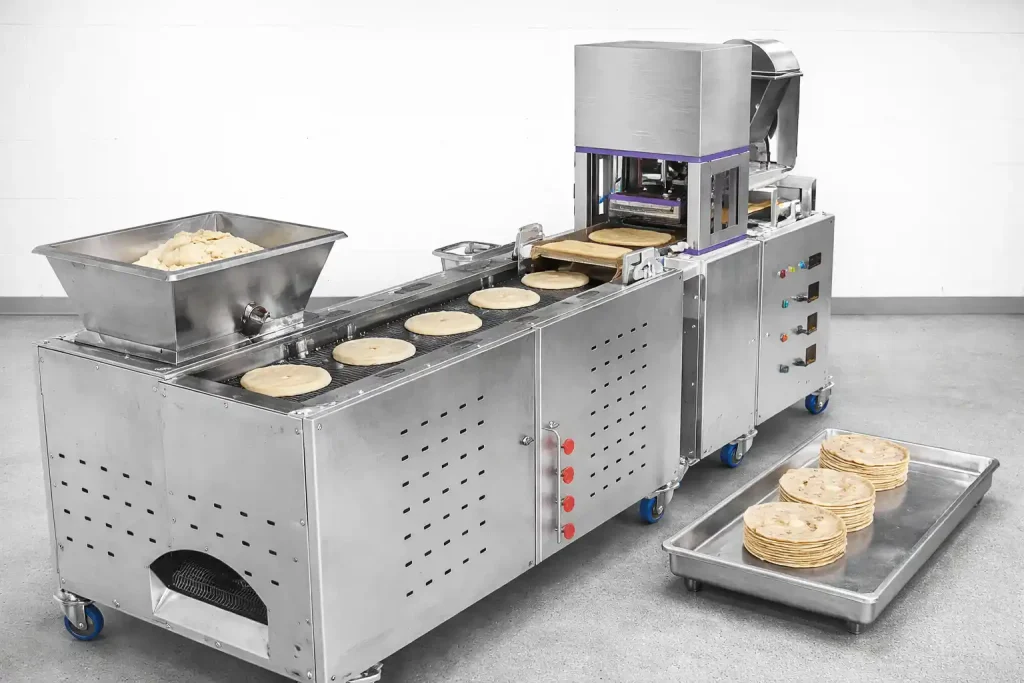
Chapathi is a staple food in many households, hotels, hostels, and commercial kitchens across India and beyond. As demand for consistent quality and large-scale production increases, manual chapathi preparation becomes time-consuming and labor-intensive. This is where a chapathi making machine plays a vital role by automating the process while maintaining taste, texture, and hygiene.
What Is a Chapathi Making Machine?
A chapathi making machine is an automated food processing machine designed to produce chapathis in large quantities with uniform thickness and size. It replaces traditional hand-rolling and cooking methods, making it ideal for hotels, canteens, hospitals, industrial kitchens, and food production units.
These machines are typically made using food-grade stainless steel to ensure hygiene, durability, and easy cleaning.
How a Chapathi Making Machine Operates
The operation of a chapathi making machine is systematic and efficient, involving multiple automated stages:
Dough Feeding and Portioning
Prepared wheat dough is placed into the dough feeder or hopper. The machine automatically portions the dough into equal-sized balls, ensuring consistency in weight and size for every chapathi.
Pressing and Flattening
Once portioned, the dough balls move into a pressing unit where they are flattened into round chapathis. The pressure applied is uniform, which helps maintain consistent thickness across all chapathis.
Baking or Cooking Process
The flattened chapathi then moves onto a heated conveyor or cooking plate. Controlled temperature settings ensure even cooking on both sides. This automated heating process results in soft, well-cooked chapathis without burning or undercooking.
Collection and Output
After cooking, the chapathis are collected at the output section, ready for serving or packing. Some advanced machines also support stacking or partial puffing for improved presentation and texture.
Key Features of a Chapathi Making Machine
Modern chapathi making machines are designed to improve productivity and maintain food quality:
- Fully or semi-automatic operation
- Uniform size and thickness
- Adjustable temperature controls
- Food-grade stainless steel body
- High output capacity with minimal manpower
- Easy cleaning and low maintenance
Benefits of Using a Chapathi Making Machine
Increased Production Efficiency
The machine significantly increases chapathi output, making it suitable for bulk cooking environments such as hotels and canteens.
Consistent Quality
Uniform pressing and controlled cooking ensure every chapathi looks and tastes the same, improving customer satisfaction.
Reduced Labour Cost
Automation reduces dependency on skilled labour, lowering operational costs while improving productivity.
Improved Hygiene Standards
Minimal human handling helps maintain hygiene and comply with food safety standards.
Uniform Size and Thickness of Chapathis
Uniform size and thickness are crucial factors in delivering high-quality chapathis, especially in commercial food operations where consistency directly impacts customer satisfaction. A chapathi making machine is designed to produce chapathis with the same diameter and even thickness every time, eliminating the variations that often occur with manual preparation. This uniformity ensures that each chapathi cooks evenly on all sides, preventing undercooked centers or overcooked edges.
Consistent thickness also plays a key role in texture and taste. When chapathis are evenly rolled, they puff properly during cooking, resulting in a soft and fluffy texture that customers expect. Uneven chapathis may turn hard, dry, or partially raw, which can negatively affect the dining experience. By maintaining precise pressure and rolling mechanisms, the chapathi making machine delivers reliable results batch after batch.
From an operational perspective, uniform chapathis simplify portion control and cost management. When each chapathi uses the same amount of dough, it becomes easier for kitchens to calculate raw material requirements and reduce wastage. This consistency helps businesses maintain food cost standards while serving a professional-looking product.
Uniformity also enhances brand image for hotels, restaurants, and catering services. Customers associate consistent food quality with professionalism and trust. By using a chapathi making machine, commercial kitchens can ensure that every chapathi served meets the same quality standards, supporting efficiency, presentation, and customer satisfaction in high-volume food production.
Applications Across Industries
Chapathi making machines are widely used in:
- Commercial kitchens and restaurants
- Hotels and resorts
- Hostels and educational institutions
- Hospitals and industrial canteens
- Catering services and food production units
Maintenance and Safety Considerations
Regular maintenance is essential to ensure the smooth and long-lasting performance of a chapathi making machine. Daily cleaning after use helps remove dough residue, flour particles, and oil buildup from the machine surface, preventing contamination and ensuring hygienic operation. Most chapathi making machines are designed with food-grade stainless steel, making them easy to wipe, wash, and sanitize without damaging the equipment.
Conclusion
A chapathi making machine operates by automating dough portioning, pressing, and cooking into a smooth and efficient process. It enables commercial kitchens to produce large quantities of chapathis with consistent quality, reduced labour, and improved hygiene. With robust construction and reliable performance, machines manufactured by Chandran Steels are designed to meet the demands of hotels, canteens, and large-scale food service operations, making them a trusted choice for efficient and modern chapathi production.